

sgrrda.over-blog.com/
18 Février 2021

If you're experiencing slow document opening, rendering, and refreshing when zooming and navigating with high resolution monitors (including 4k monitors), Program freezes, the blue and green progress bars taking longer than expected to refresh your pdf, or a slow user interface in Bluebeam Revu 2016 &2017, see options below for help correcting these issues. Recently got upgraded from 2016 - 2018. Bluebeam seems so much slower. I used to be able to fly back and forth between drawing sets (30+ page D size) with no problem but now I cannot even pan a single D size drawing without waiting for it to render. Bluebeam Revu Revu General Topics. Is everyone else having a lot of issues with 2018 being super slow with various stuff and just much poorer performance than.
Do you have slow rendering or performance issues in Revu 2019? My friend Natalie is the best Bluebeam Support Specialist I know. Here are some tips she recommends if you're experiencing performance issues in Revu 2019. The following are a set of potential solutions presented in order from least complicated to most complicated. Slow rendering is typically a file-specific issue, and the culprit usually involves the original software used to create the PDF. Do you know how these PDF files were originally created? We often see improvements in rendering speeds when we recreate the file using Bluebeams PDF creation engine.
For many years, skilled tradespersons have used a relatively straightforward paper-based method to track construction completion. On forward-thinking projects, completion data from the drawings was used to craft a labor performance index broken down by tasks/floors. Using custom status models in Bluebeam® Revu® as well as folder automations in Studio Prime, this process is now easier than ever. Help your company access near real-time completion information that can be used to identify performance issues while there is still time left to react. Some of the issues discussed will be particularly applicable to subcontractors who are often limited by the choices of the general contractors that they work for. By using a little Python programming, automate the reporting process and get back to building.
Atom nodejs ide. In this session, you will learn:
Paul Jeffrey, Plan Group
***Approved for one AIA CES Learning Unit***
Document Management
Advanced
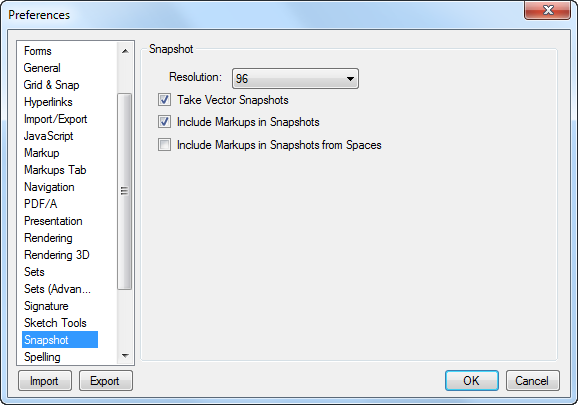
It happens that some vector based documents (plans) make look that Revu takes its time to refresh the document. Maple midi tools. You should try following steps.
Slow rendering is typically a file-specific issue, and the culprit usually involves the original software used to create the PDF. Do you know how these PDF files were originally created? We often see improvements in rendering speeds when we recreate the file using Bluebeams PDF creation engine. I'd like to have you try this process out, and see if you notice any improvements in speed. Follow these steps:


/image%2F6375516%2F20210327%2Fob_f4c8c2_cod-4-reveal.jpeg)
/image%2F6375516%2F20210327%2Fob_df63a5_all-exe-characters.jpeg)
/image%2F6375516%2F20210327%2Fob_1b96a0_rosen-sharma-wikipedia.jpeg)
/image%2F6375516%2F20210327%2Fob_847449_cd-disk-cover.jpeg)